Environmental Factors Affecting Sleep
Understanding the various environmental factors that influence sleep can significantly enhance your overall sleep quality. Elements such as temperature, light, and sound play crucial roles in shaping your sleep environment. This article explores these factors in detail and provides tips to optimize them to promote better sleep quality.
Key Takeaways
- Temperature, light, and sound significantly influence sleep quality.
- Optimal sleeping conditions typically feature a cool, dark, and quiet environment.
- Adjustments in bedroom design and use of appropriate products can enhance sleep.
1. The Role of Temperature in Sleep
Temperature is one of the most crucial environmental factors affecting sleep. Studies show that the ideal sleeping temperature for most individuals ranges between 60°F to 67°F (15°C to 19°C). Here’s how temperature influences sleep:
How temperature affects sleep:
- Core Body Temperature: Your body temperature naturally drops at night, signaling it’s time to sleep. A cool room can facilitate this transition.
- Comfort Levels: Excessively warm rooms can lead to discomfort and restlessness.
- Personal Preferences: Individual preferences may alter the ideal temperature for sleep. It’s essential to find what works best for you.
Tips for controlling bedroom temperature:
- Use breathable materials for your bedding.
- Invest in a quality mattress that offers temperature regulation.
- Utilize fans or air conditioning to maintain a comfortable sleeping environment.
- Wear lightweight sleepwear and use light blankets to avoid overheating.
2. The Impact of Light on Sleep
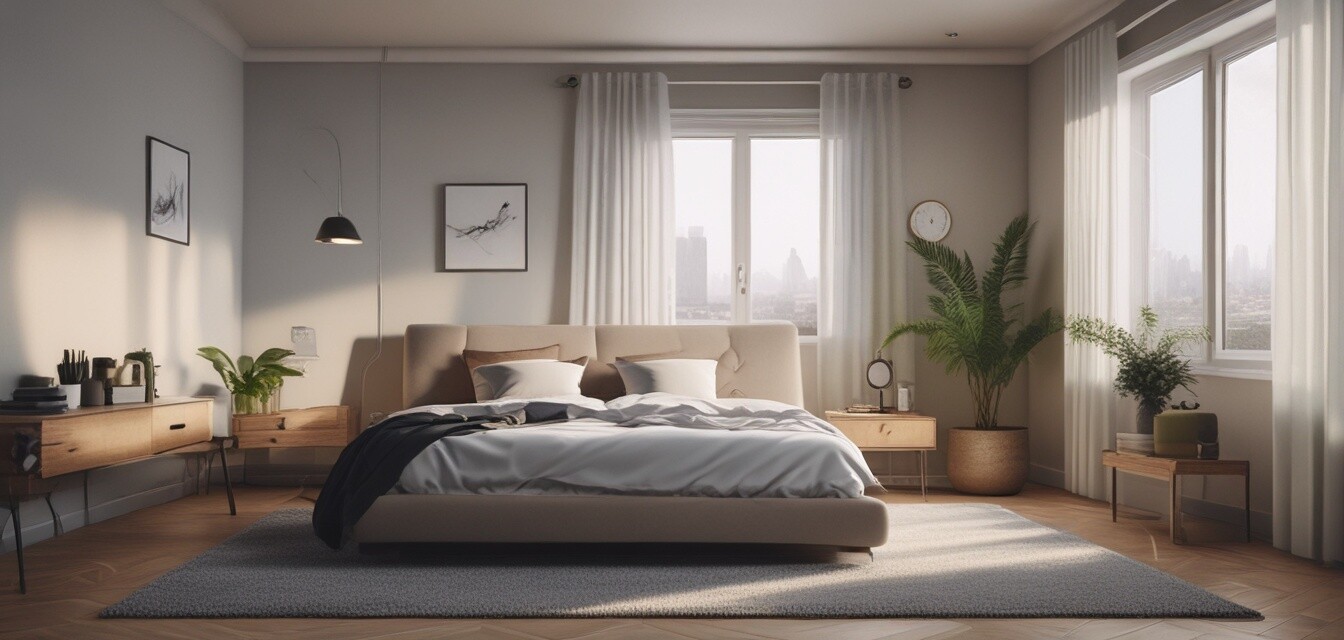
Light exposure has a profound effect on our sleep patterns and overall sleep health. The presence of light signals your brain to stay awake, while darkness signals it’s time to wind down. Here are important aspects regarding light and sleep:
| Type of Light | Effect on Sleep |
|---|---|
| Natural Light | Supports a healthy circadian rhythm by promoting wakefulness during the day. |
| Artificial Light | Can disrupt melatonin production, making it harder to fall asleep. |
| Blue Light | Specifically known to hinder melatonin and should be minimized before bedtime. |
Strategies to minimize light disruption:
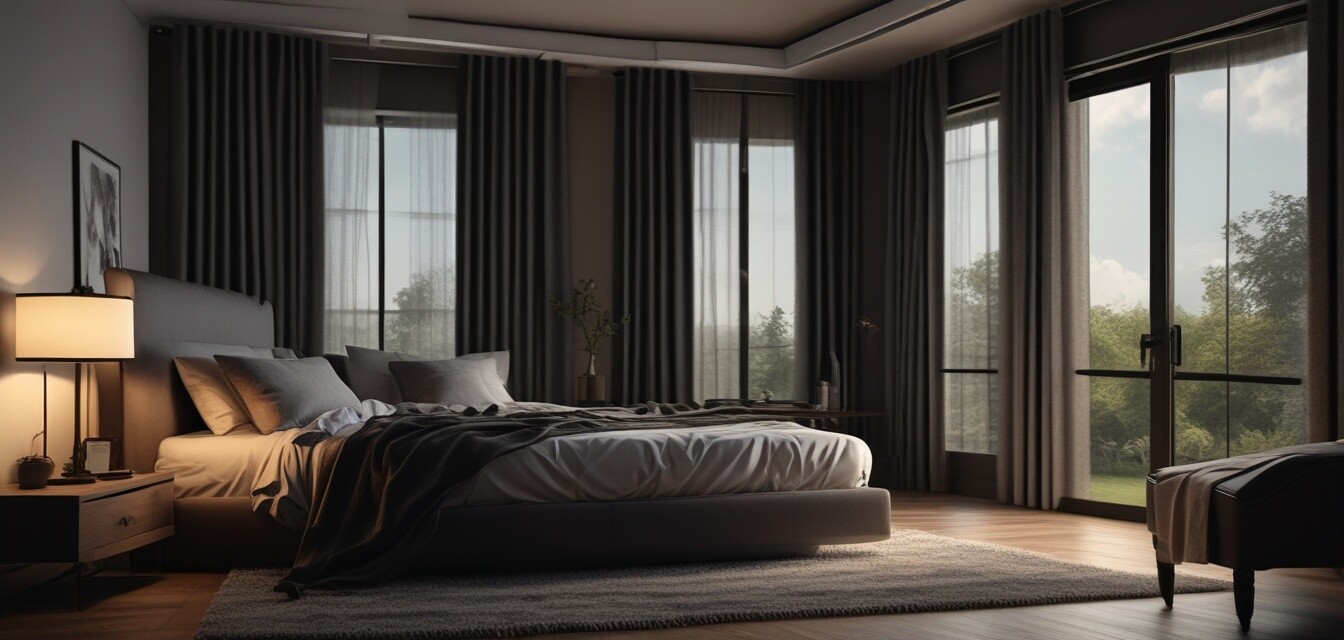
- Use blackout curtains to eliminate external light.
- Set bedroom lighting to low levels in the evening.
- Limit screen time two hours before bed, avoiding devices that emit blue light.
- Consider using an eye mask to block out light completely.
3. How Sound Influences Sleep
Sound can either enhance or disrupt your sleep experience. Some individuals may find white noise or soothing sounds beneficial for sleep, while others may be sensitive to disturbances.
Effects of sound on sleep:
- Distractions: Unwanted noise disturbances (traffic, neighbors, etc.) can interrupt sleep cycles.
- White Noise: Gentle background noise can help mask disruptive sounds for a more restful sleep.
- Personal Sensitivity: Each person may have different levels of sensitivity to sound during sleep.
Ways to create a quieter sleep environment:
- Utilize sound machines or apps that provide soothing white noise.
- Consider earplugs if external noise is bothersome.
- Insulate your room with carpets and soft furnishings to absorb sound.
- Practice relaxation techniques to help you de-stress before bedtime for a more peaceful sleep.
Optimizing Your Sleep Environment
Creating an environment conducive to sleep is essential for getting quality rest. Here are some general Tips:
Beginner’s Section: Tips for Better Sleep
- Choose a comfortable mattress and supportive pillows.
- Maintain a consistent sleep schedule, going to bed and waking up at the same time daily.
- Avoid caffeine and heavy meals close to bedtime.
- Create a calming bedtime routine to signal your body it’s time to sleep.
Pros
- Improved sleep quality.
- Increased energy levels during the day.
- Enhanced mood and cognitive function.
Cons
- Initial adjustments may take time.
- Constant monitoring of the environment can be meticulous.
Conclusion
By understanding the environmental factors such as temperature, light, and sound that affect sleep, you can take proactive steps to create a sleeping environment that supports your health and wellness. Remember, small changes in your bedroom setup can lead to significant improvements in sleep quality.
For more information on creating a sleep haven, visit our pages on the bedroom environment, cozy bed clothes, and mattresses & pillows. Making informed choices can lead to better sleep and overall well-being.